How Cask Ale Is Made: From Brewery to Your Glass
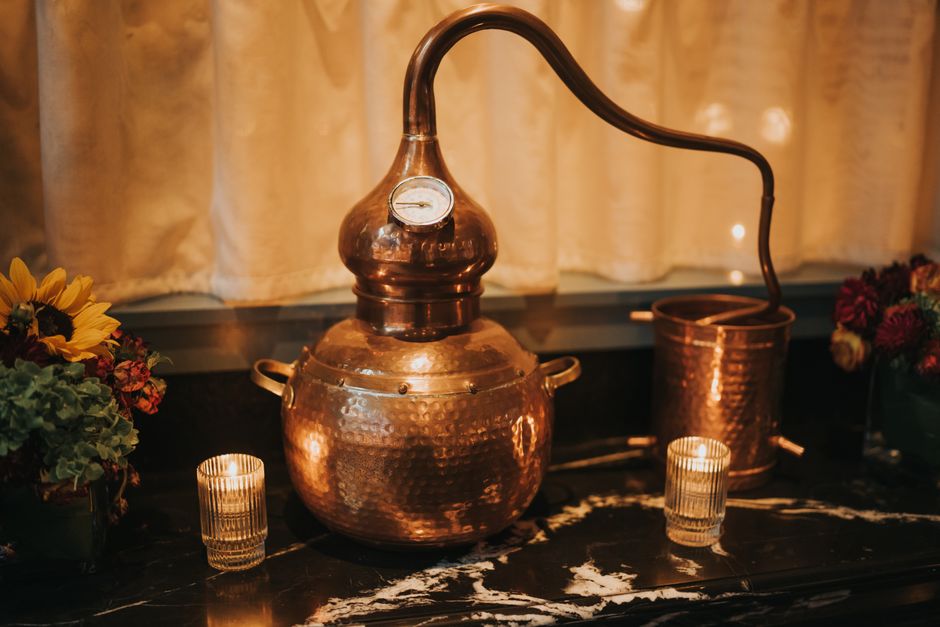
Real ale's journey is quite different from other beers, and understanding this process helps you appreciate what you're drinking. From the moment grains are selected at the brewery through to the final pour in your local pub, multiple stages of careful work ensure quality. Let's trace that journey.
Everything starts with ingredients and brewing. The brewer selects malted grains, hops, water, and yeast. These are combined in precise quantities and heated to extract sugars and flavour. The resulting liquid, called wort, is boiled with hops to add bitterness and aroma. This is traditional brewing, largely unchanged in method for centuries, though with modern quality control.
After boiling, the wort is cooled and yeast is added. This is where fermentation begins. The yeast converts sugars into alcohol and carbon dioxide, creating the finished beer. For real ale, brewers use specific yeast strains that ferment at warmer temperatures than lager yeasts, typically between 15-25 degrees Celsius. This fermentation process takes about a week, though some ales ferment longer.
Here's what makes real ale different: it's not filtered or pasteurised. Most commercial beers are filtered to remove yeast and then heat-treated to kill any remaining microorganisms. Real ale keeps its yeast. This living yeast continues working slowly in the cask, creating subtle flavour changes and helping preserve the beer naturally. It's why real ale is sometimes called "cask-conditioned" beer.
Once fermentation is complete, the beer is run into casks. These might be wooden or metal, in various sizes. In the cask, the beer undergoes a second, slower fermentation as remaining sugars are converted and carbonation develops naturally. Some breweries add finings (usually made from isinglass, a fish product) to help yeast settle to the bottom of the cask, clarifying the beer.
Transport and storage demand care. Casks must be handled gently and kept at steady temperatures. Rough handling can disturb the yeast and affect quality. Temperature fluctuations can cause problems too. This is why proper logistics matter, and why good pubs take their cellar management seriously.
When a cask arrives at the pub, it's stored in the cellar, kept at around 50-55 degrees Fahrenheit. The publican must "crack" the cask (knock a hole in it) and install a tap. A shive (wooden bung) is replaced with a tap mechanism. The cask is positioned at a slight angle to encourage yeast to settle.
Before service, the cask might rest for 24-48 hours, allowing yeast to settle properly. Then, when you order a pint, the beer flows from tap to glass. That final journey is short, but it's the culmination of weeks of careful work. When it's done right, you get a pint of beer that tastes fresh, complex, and genuinely alive.