Understanding Real Ale: What Makes It Different
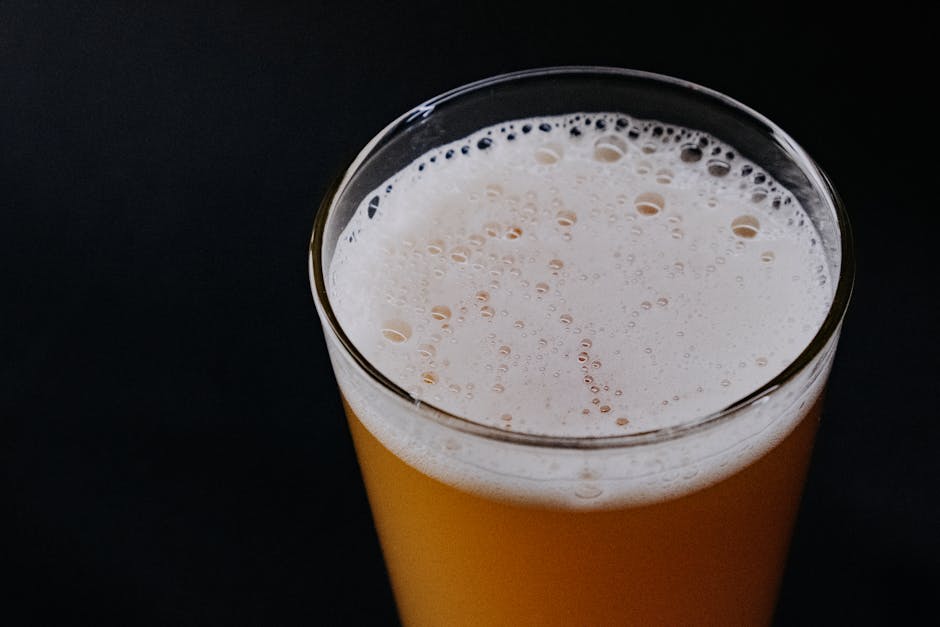
Real ale is far more than just beer served from a hand pump. It's a living, breathing product that continues to mature and develop even after it leaves the brewery. Understanding what makes real ale different is the first step towards appreciating why organisations like CAMRA exist to champion it.
The key difference lies in the fermentation process. Real ale is brewed using traditional methods where yeast ferments the beer at natural temperatures. Unlike many mass-produced beers, real ale contains live yeast cells and is not filtered or pasteurised. This means the beer continues to develop subtle flavour changes as it sits in the cask.
When you order a pint of real ale at a proper pub, you're getting something that's been carefully looked after from brewery to glass. The publican has responsibility for maintaining the cask correctly, keeping it at the right temperature and angle, and ensuring it's served in prime condition. This personal care is part of what makes real ale special.
Taste and quality are noticeably different. Real ale typically has more complex flavours than filtered beers because nothing has been stripped away during processing. You'll find more hop character, richer malt profiles, and often a creamier head. Each brewery's real ales have distinct personalities that reflect their local water, ingredients, and brewing traditions.
The strength of real ales varies considerably. You might enjoy a light, refreshing session ale at 3.5% ABV, or settle in with a complex barley wine at 10% or more. This variety means there's genuinely something for everyone, whether you're looking for a quick pint after work or a contemplative evening with a full-bodied bitter.
Supporting real ale also means supporting local breweries and pubs. When you choose real ale, you're helping to keep traditional brewing methods alive and supporting businesses that often employ skilled craftspeople. Many of Britain's most interesting breweries have emerged because customers like you demanded better beer.
CAMRA exists because real ale was genuinely threatened. In the 1970s, many traditional breweries were closing, and real ale was being replaced by mass-produced keg beers. CAMRA's campaign to "Keep Real Ale Real" helped reverse this decline. Today, there are more breweries in Britain than at any point in the past 100 years, and real ale is thriving again.
The next time you visit your local pub, ask the landlord about the real ales they have on. Most publicans love talking about their cask beers and can tell you about the breweries, the styles, and what makes each one worth trying. That conversation, and that pint, is what real ale is really about.